
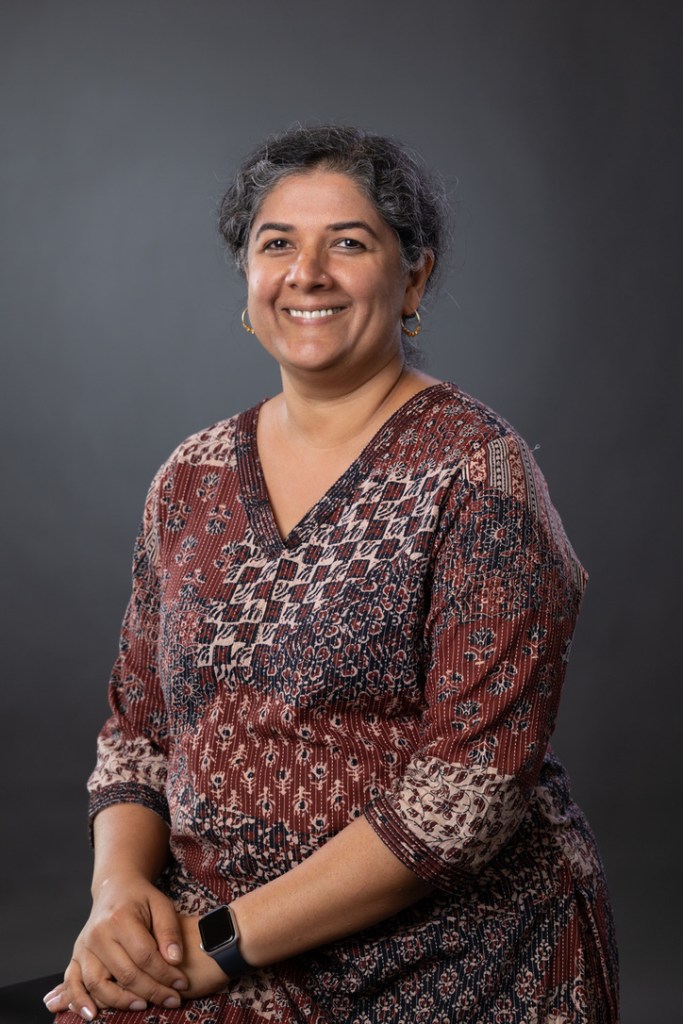


My research asks how institutions, ideologies, and movements shape one another in democratic contexts. I focus mainly on India and South Asia and draw connections to cases around the world. Across my projects, I try to understand how power flows through secularism, religion, capitalism, gender, and schooling, and how collective action can change it.
Current projects
Democratic education and youth voice
How do young people learn to take part in democracy, at a time when democracy is in retreat around the world? Can democratic education, which gives young people real power over their own learning and their schools, can be a path to democratic renewal?
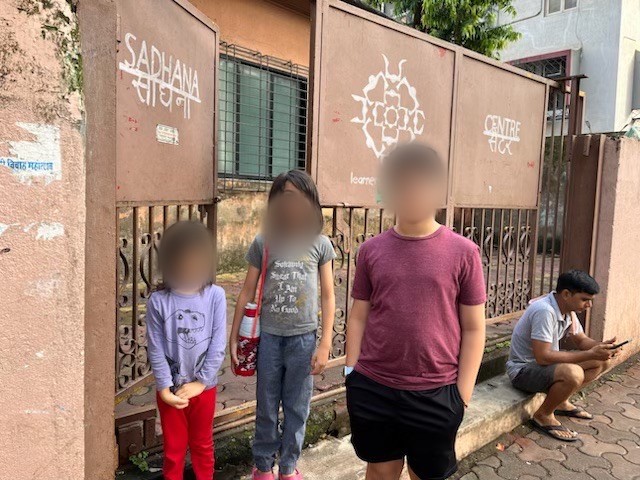
One strand of the research focuses on self-directed education (SDE). I mapped SDE families and communities around the world, including the understudied Global South, and I am interviewing parents in the USA, India, South Africa, and the Netherlands. These families give their children control over their own education. I ask how they come to this path, and whether it grows out of, or leads them to, commitments to democracy, feminism, and decolonization. I am also documenting a nascent transnational social movement organizing for democratic education.
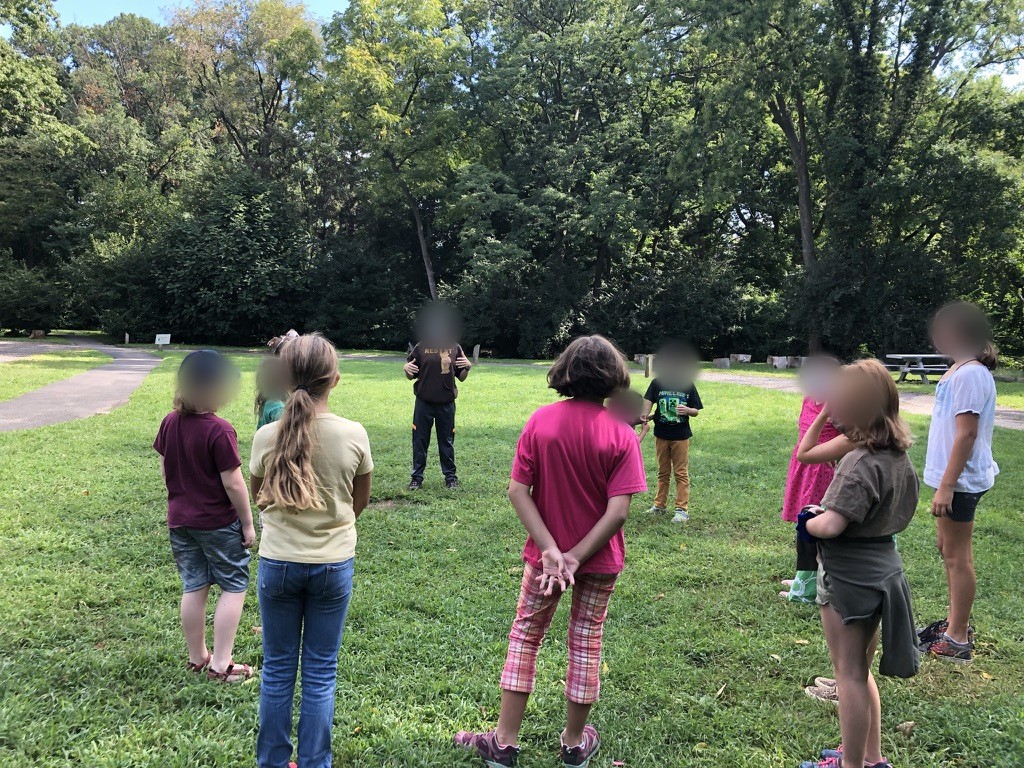
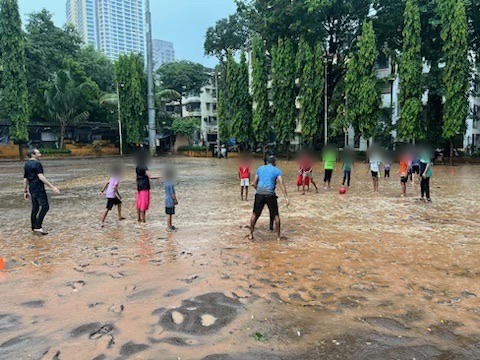
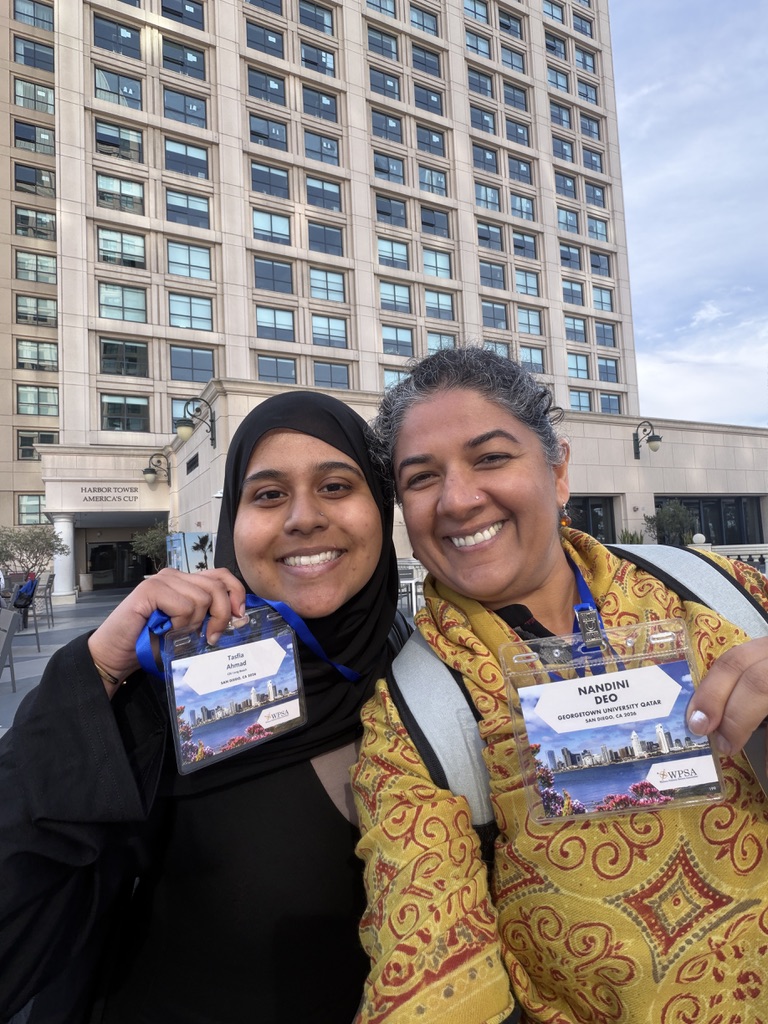
A second strand of investigation, with my former students Tasfia Ahmad and Ivan Gatski, turns to the other side of the picture: the democratic deficits of conventional schools, and what public policy can do about them. With Tasfia Ahmad, I map student governance in about 200 schools in the United States and around the world, and compare national rules on student representation. The findings show how rarely students get to practice democratic voice. With Ivan Gatski, I examine how different educational approaches prepare young people to cope with the future.
Related work in progress:
- “No Practice, No Participation: The Absence of Democratic Voice in Schools” (with Tasfia Ahmad)
- “Self-Directed Education as Radical Democracy?”
- “Future Thinking and Educational Approaches” (with Ivan Gatski). Under review, Journal of Future Policy.
Youth Protest in South Asia: Mobilization Beyond Parties
Young people across South Asia have filled the streets in recent years. This book compares youth-led mobilization in Nepal, India, Bangladesh, Sri Lanka, and Pakistan, and asks why some protests arise and last. I argue that captured parties and high barriers to entry push young people’s grievances out of electoral politics and into sustained street protest. The project draws on an original survey of urban youth and on sources in relevant national languages gathered with a team of Georgetown University in Qatar student research assistants.
Books
Click a cover or title for a summary, publication details, reviews, and where to read or buy each book.
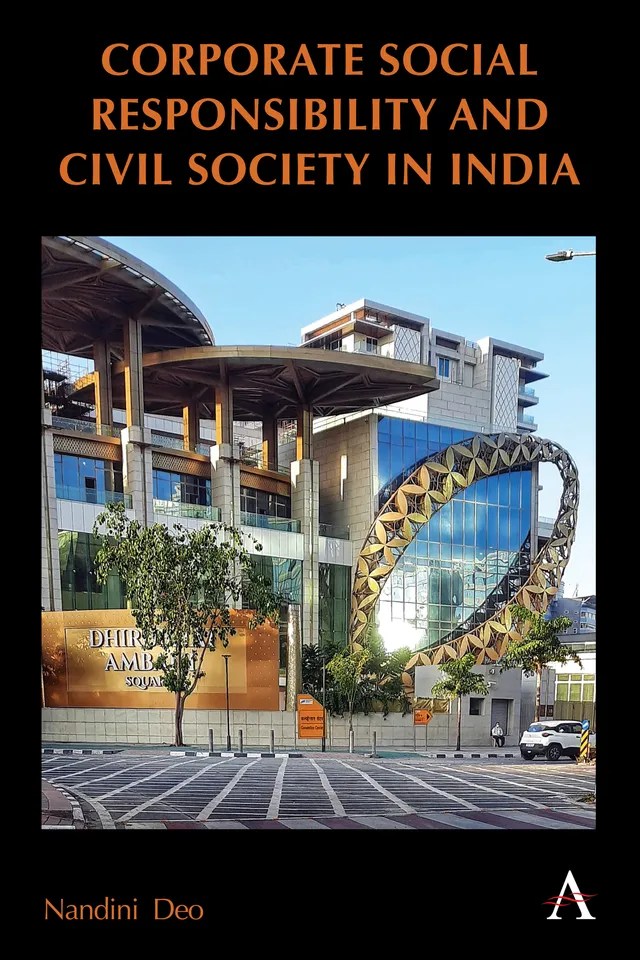
Corporate Social Responsibility and Civil Society in India (Anthem Press 2024, open access). I examine partnerships between business and civil society in India and argue that CSR is unlikely to deliver inclusive and sustainable development.
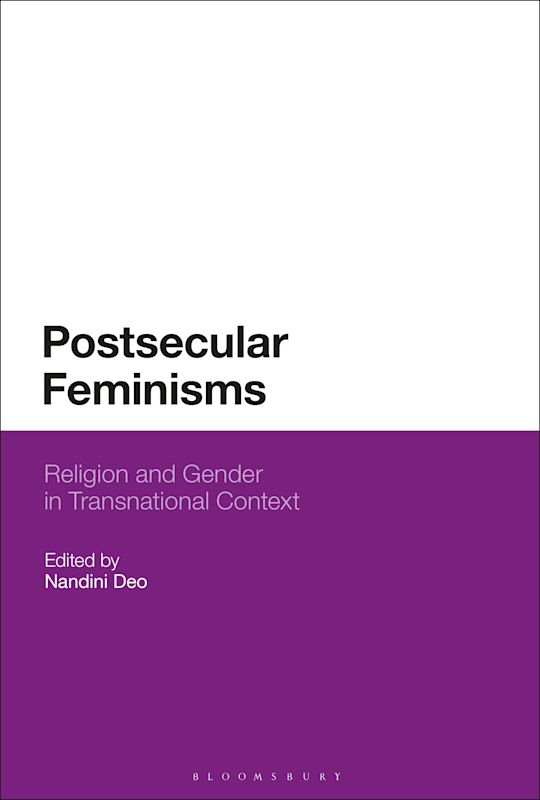
Postsecular Feminisms: Religion and Gender in Transnational Context (Bloomsbury Academic 2018, editor). This volume brings together feminist thinkers who grapple with the complex role of religion in gender politics across North America, South Asia, and West Africa.
Mobilizing Religion and Gender in India: The Role of Activism (Routledge 2016). I argue that the choices activists make with limited information shape movement success more than the inherent appeal of their ideology.
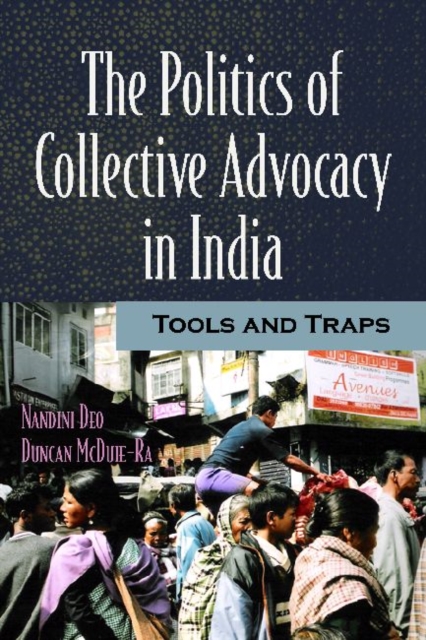
The Politics of Collective Advocacy in India: Tools and Traps (Kumarian Press / Lynne Rienner 2011, with Duncan McDuie-Ra). We examine the gap between how collective action in India is studied and how it works on the ground.
Articles and chapters
Read summaries of articles and chapters, with links →
Peer-reviewed journal articles
- Caivano, Dean and Nandini Deo. (2026) “Students Matter: Comparative Reflections on Decolonial Pedagogy in Political Science.” Journal of Political Science Education 22(3).
- van Wessel, Margit, Rita Manchanda, and Nandini Deo. (2025) “How Civil Society in India Is Marginalized: Civic Space as Relational Process.” Journal of Civil Society 21(3): 237–255. Open access.
- Deo, Nandini, B. Rajeshwari, Farhat Naz, Sumita Pahwa, and Margit van Wessel. (2025) “Faith-Based Organizations and Religious Nationalism.” Politics and Religion. Open access.
- B. Rajeshwari, Nandini Deo, and Margit van Wessel. (2020) “Negotiating Autonomy in Capacity Development: Addressing the Inherent Tension.” World Development 134: 105046. Open access.
- Deo, Nandini. (2020) “Religion, Nationalism, and Gender: Perspective from South Asia.” Asian Journal of Comparative Politics 7(4): 873–887.
- Deo, Nandini. (2014) “The Politics of Education in Afghanistan.” Pakistan Journal of Women’s Studies 21(1): 1–28.
- Deo, Nandini. (2012) “Indian Women Activists and Transnational Feminism over the Twentieth Century.” Journal of Women’s History 24(4): 149–174.
- Deo, Nandini. (2012) “Running From Elections: Indian Feminism and Electoral Politics.” India Review 11(1): 46–64.
- Deo, Nandini. (2011) “Women, Work, Violence and the Neo-Liberal Moment.” Contemporary South Asia 19(4): 465–470. Review essay.
- Deo, Nandini. (2007) “Structure and Strategies: Two Faces of Civic Activism in India.” Journal of Civil Society 3(2): 137–157.
- Deo, Nandini. (2006) “Is Neo-liberalism Bad for Women?” Proteus: A Journal of Ideas 23(1): 35–41.
- Deo, Nandini. (2006) “Is Globalization Our Friend? Women’s Allies in the Developing World.” Current History 105(689): 105–111.
Peer-reviewed book chapters
- Williams, Heidi, Nandini Deo, Abby Arnold-Patti, Cecilia Parnther, and Laura Seroka. (2026) “The Rhetoric of Productivity: Narratives of Academic Mothers Who Choose to Homeschool.” In Blurred Boundaries: Women and Gendered Labor in a Post-2020 Economy, edited by Lynée Lewis Gaillet and Jessica McCrary. University of South Carolina Press.
- Deo, Nandini. (2025) “Religious Nationalism.” In The Sage International Encyclopedia of Politics and Gender, edited by L. Roberts. Sage.
- Deo, Nandini and B. Rajeshwari. (2024) “Performing Leadership: Gender and Populism in India.” In Mapping Feminist International Relations in South Asia: Past and Present, edited by Shweta Singh and Amena Mohsin. Routledge India.
- B. Rajeshwari, Margit van Wessel, and Nandini Deo. (2023) “A Feminist Approach to Collaboration: A Sex Workers’ Network in India.” In Reimagining Civil Society Collaborations in Development: Starting from the South. Routledge. Open access.
- Deo, Nandini. (2018) “Introduction.” In Postsecular Feminisms: Religion and Gender in Transnational Context, 1–16. Bloomsbury Academic.
- Williams, Rina Verma and Nandini Deo. (2018) “Hinduism and Democracy: Religion and Politicized Religion in India.” In Routledge Handbook of Politics in Asia, edited by Shiping Hua. Routledge.
Invited book reviews
- 2026 Review of A Revolution of Rules: The Regulatory Reform of India’s Nonprofit Sector by Erica Bornstein. The Developing Economies 64(3), September 2026.
- 2022 Review of Sisters in the Mirror: A History of Muslim Women and the Global Politics of Feminism by Elora Shehabuddin. The Journal of Asian Studies 81(4). Read
- 2020 Review of Corporate Social Responsibility and Economic Responsiveness in India by Damien Krichewsky. Business Ethics Quarterly 30(3): 430–432. Read
- 2019 Review of Debating Women’s Citizenship in India, 1930–1960 by Annie Devenish. Women’s History Review 28(8). Read
- 2018 Review of What Is Populism? by Jan-Werner Müller. New Political Science 40(3): 619–623. Read
- 2017 Review of Religious Practice and Democracy in India by Pradeep Chhibber. Perspectives on Politics 15(4): 1170–1171. Read
- 2012 Review of Women’s Activism and Feminist Agency in Mozambique and Nicaragua. New Political Science 34(1): 91–93. Read
- 2011 Review of Moral Movements and Foreign Policy. American Journal of Sociology 117(1): 328–330. Read
Other working papers
- “Listening to Activists: Trust, Distance, and Frames” (with Ziad Munson)
Recent conference papers
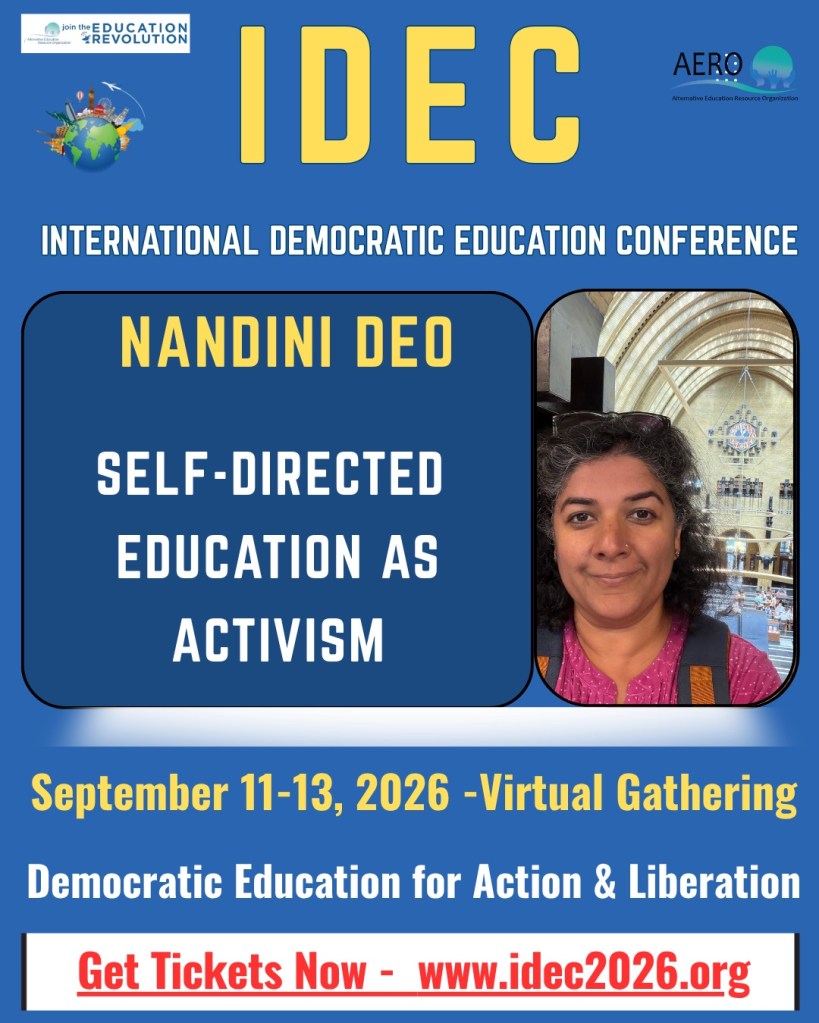
- 2026 “SDE as Social Activism.” International Democratic Education Conference (virtual), September 12.
- 2026 “Listening to Activists.” APSA Annual Meeting, Boston, September 4.
- 2026 “Indian Democracy and Religion.” APSA Annual Meeting, Boston, September 4.
- 2026 “Gender and Religion in Comparative Perspective.” Ambivalence of the Sacred Conference, University of Sussex, June 25–26.
- 2025 “SDE as Social Movement?” Association for Self-Directed Learning Research Group, October 29.
- 2025 “Self-Directed Education as Radical Democracy?” APSA Annual Meeting, Vancouver, September 11.
- 2025 “SDE and Future Uncertainty.” Association for Self-Directed Learning Research Group, January 7.
- 2024 “Corporatization of Civil Society and Democratic Decline.” APSA Annual Meeting, Philadelphia, September 5.
- 2024 “Religious Nationalism and the Gender Alibi.” Oxford Symposium on Religion, Oxford, March 12.
- 2024 “Faith Based Organizations and Religious Nationalism.” APSA Virtual Research Meeting, February 8.
Recent invited talks
- 2026 “Religious Civil Society and Democracy in India.” Philanthropy Research Workshop, Lilly Family School of Philanthropy, Indiana University (virtual), October 13.
- 2025 “Religion, Gender, and Nationalism.” ASA Section on Cultural Sociology virtual network, February 11.
- 2024 “Gender, Religion, and Nationalism.” Keynote, British Sociological Association Sociology of Religion Annual Meeting.
- 2024 “Inclusive and Sustainable Development and CSR.” Keynote, ICBMP Annual Conference, Aliah University, Kolkata, February 21.
The full list of talks and conference papers is in my CV, available on request.

